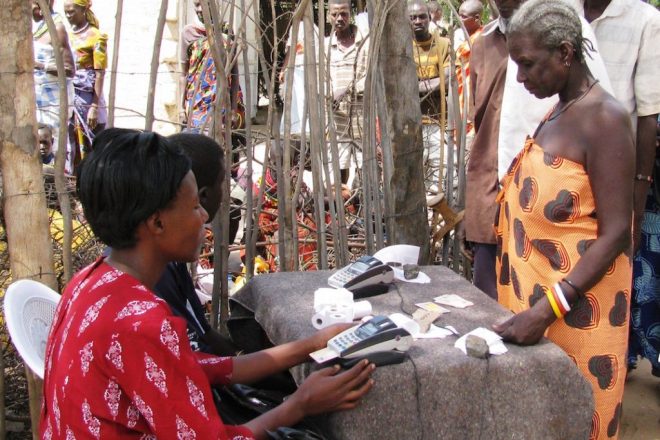
The Hunger Safety Net Programme (HSNP) Phase I was an innovative Government of Kenya-led, DFID-financed social cash transfer initiative designed to reduce extreme poverty and chronic food insecurity in Northern Kenya, while testing cost-effective approaches to targeting, payment delivery, and grievance management. Phase I ran from April 2007 to March 2012 across Turkana, Marsabit, Mandera, and Wajir, implemented through a multi-partner consortium with distinct roles across administration, payments, MIS, M&E, and rights protection. Within this consortium, HelpAge International led the Social Protection Rights (SPR) component, responsible for developing a Charter of Programme Rights, establishing and operating a complaints and grievances system, running outreach and complaints adjudication/referral functions, and ensuring SPR processes were linked to the HSNP Management Information System (MIS) for case management and tracking of complaint resolution. Local delivery was supported through county-level partners, including PISP (Marsabit) and DPA (Wajir), among others.
In July/August 2013, Evidence Frontiers conducted a participatory learning documentation exercise across all four counties, primarily using qualitative methods (KIIs and FGDs). Due to security constraints, Wajir and Mandera were assessed remotely using phone/online methods, with quality assurance measures applied to safeguard data reliability.
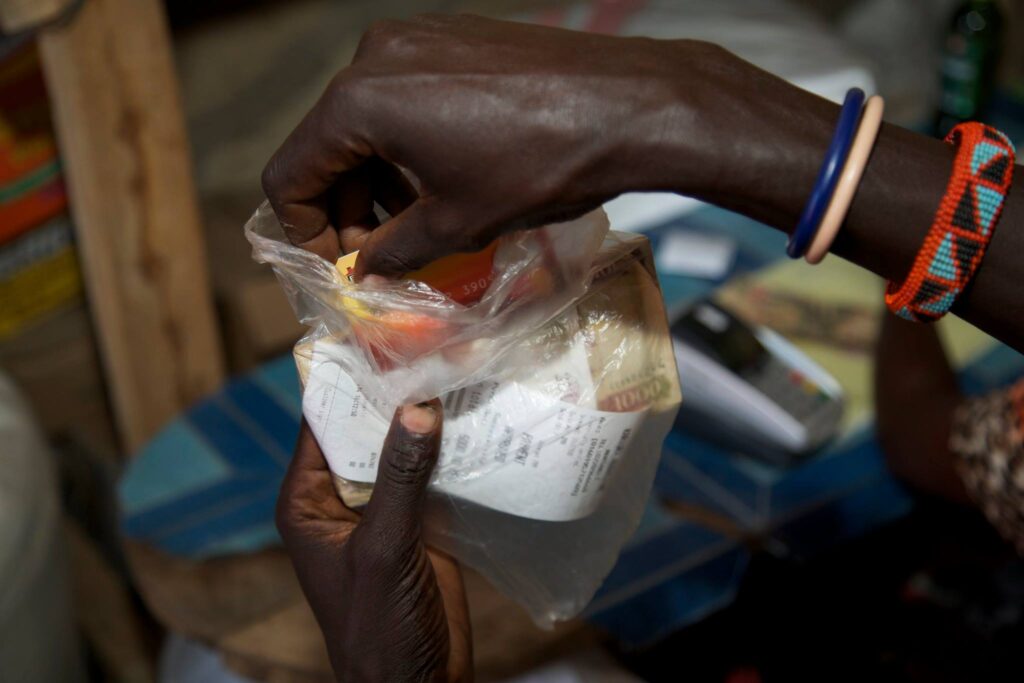
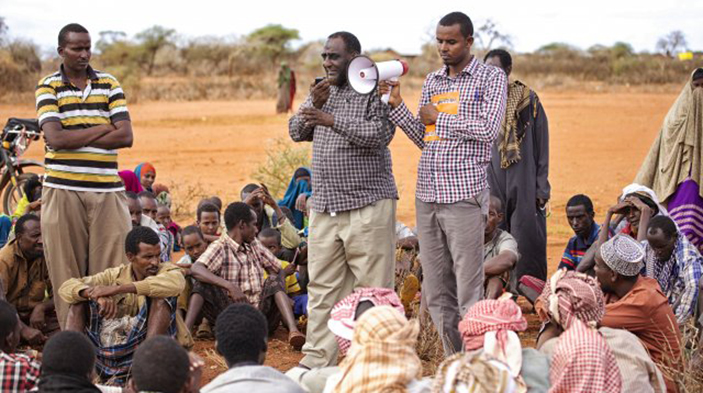
Key takeaways were that the SPR component added real value where community-level grievance mechanisms had clear authority, practical tools, and trusted local structures—yet performance dropped sharply when complaints required action from other programme components without binding coordination arrangements. Complaints were clustered into seven broad categories, including non-inclusion, card issues, non-payment, second recipient concerns, paying agent issues, payment day communication, and slow resolution. While non-inclusion and second-recipient cases were often addressed effectively at community level through Rights Committees (RCs) and local administration, many payment- and administration-related complaints escalated to other implementers experienced prolonged delays and weak feedback loops—driven in part by the absence of enforceable service-level agreements and limited ability to track case status systematically
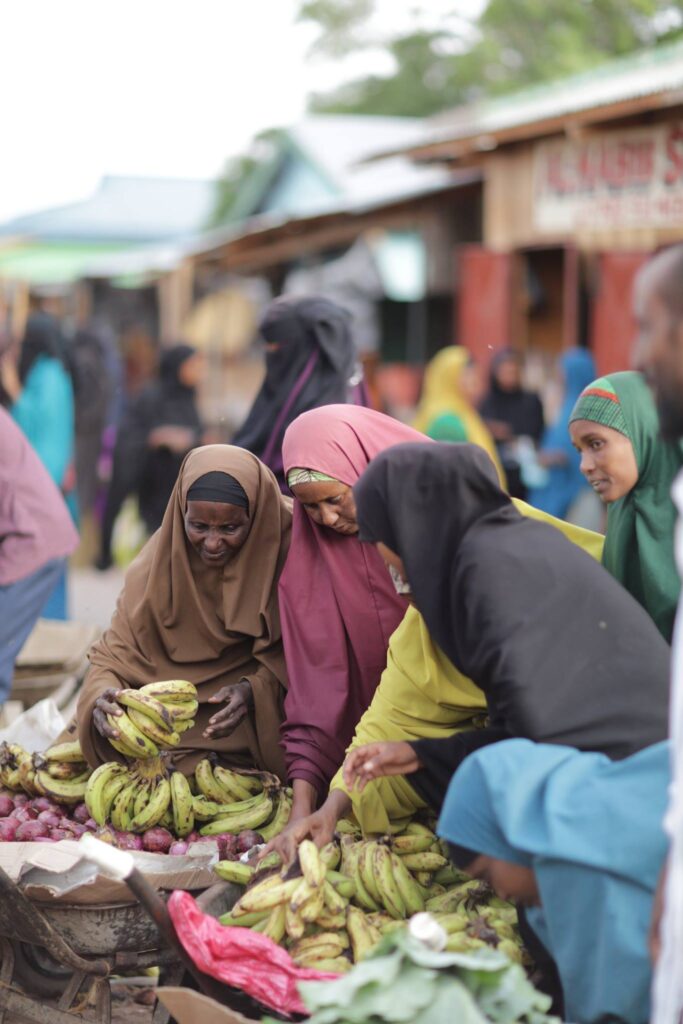
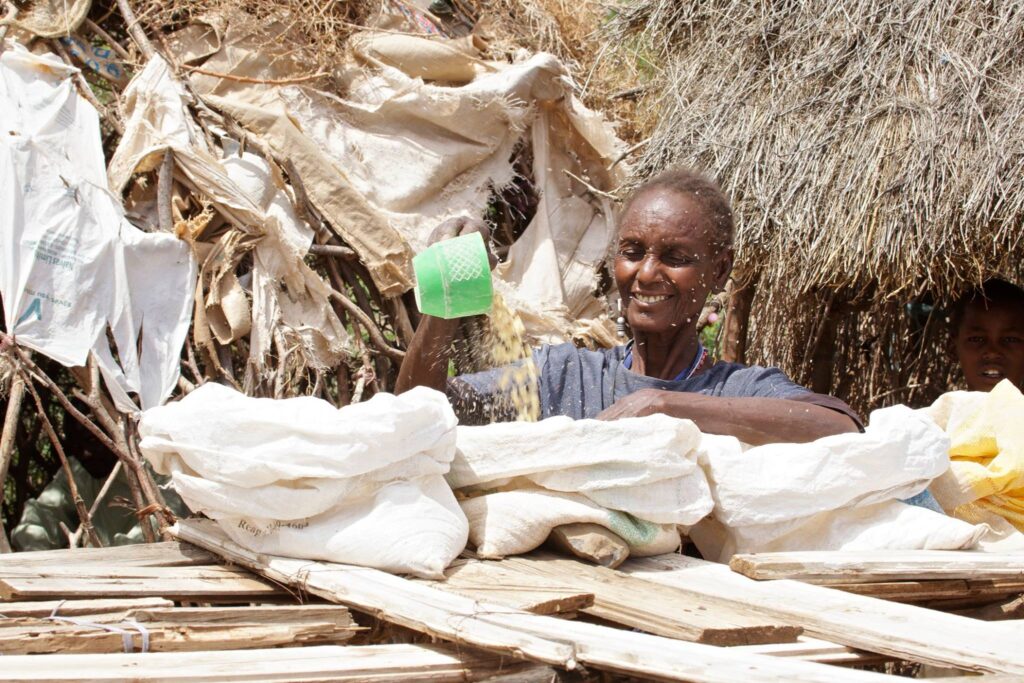
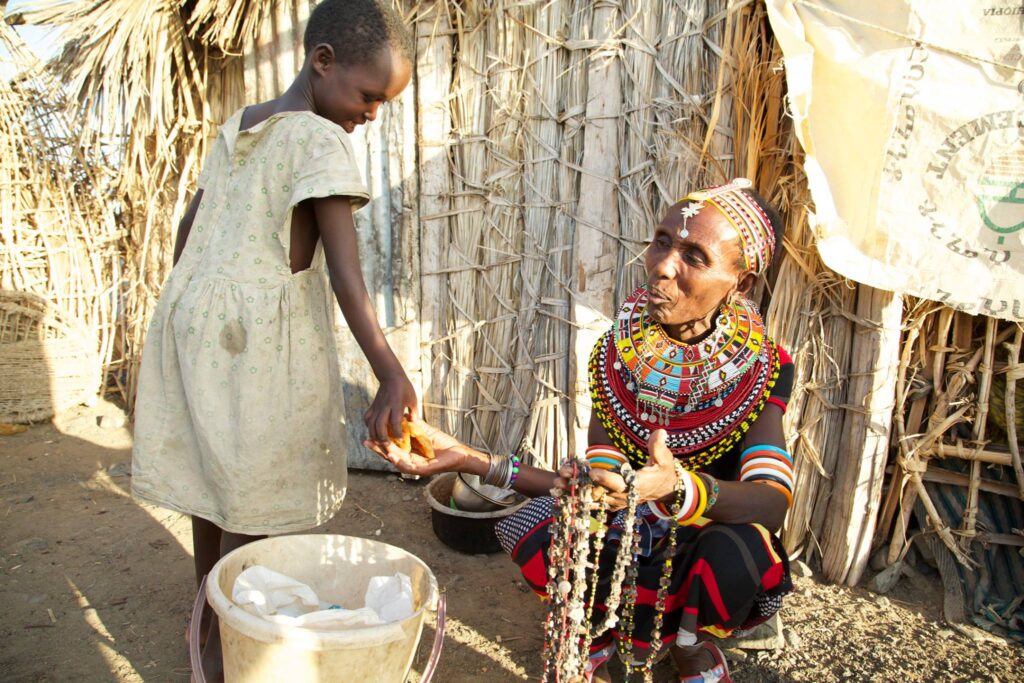
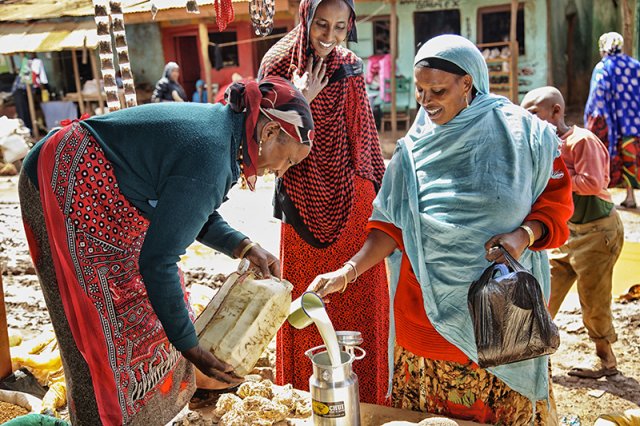
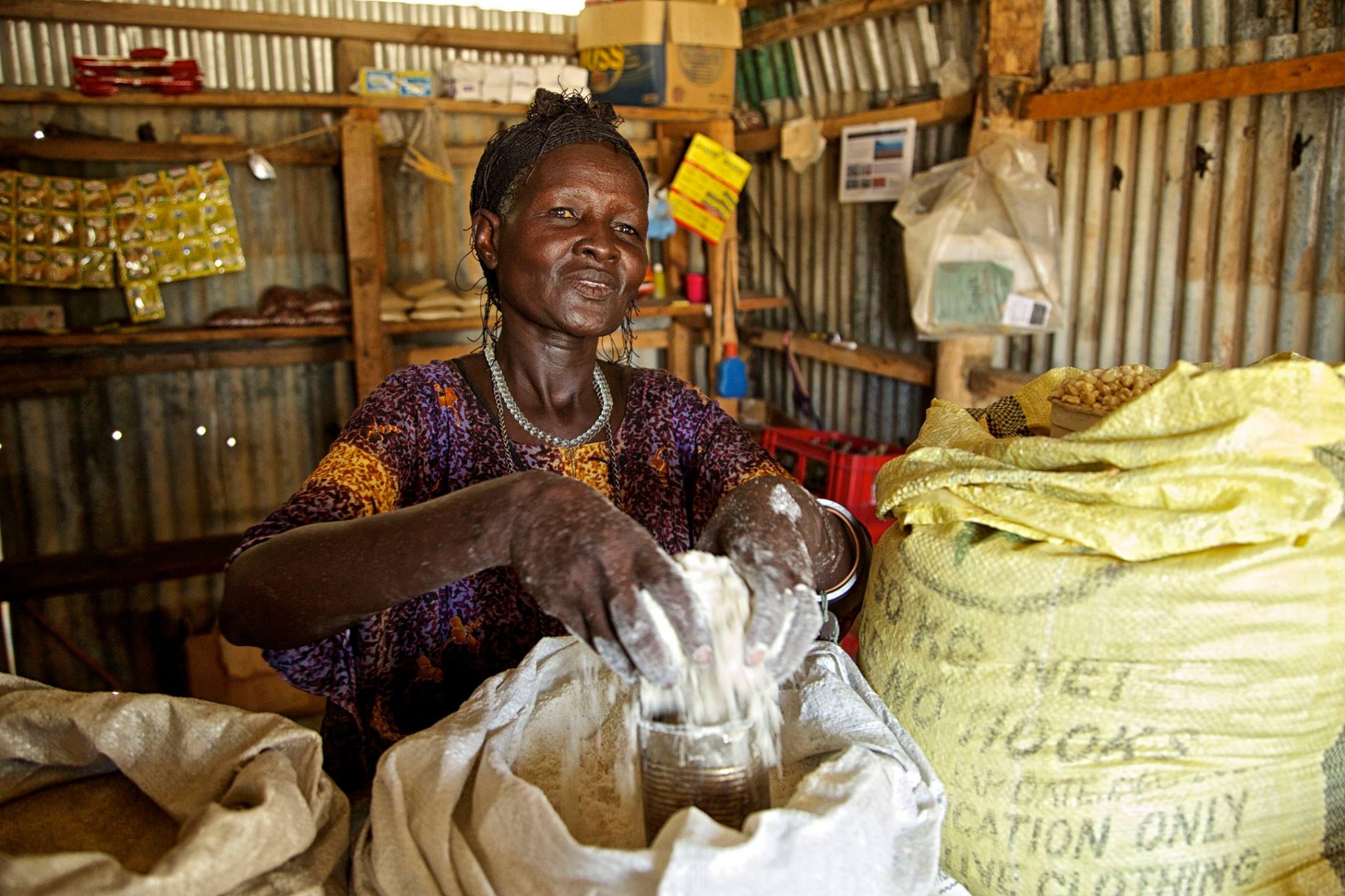
The learning further highlighted that an MIS can be a backbone for grievance handling and programme monitoring—but only if it is introduced early, used consistently, and supported with training for end users. In Phase I, grievance information was often recorded inconsistently (including verbal reporting at community level), and the MIS was introduced late, limiting its usefulness for real-time tracking, reporting, and learning. From an inclusion and targeting perspective, Phase I applied three approaches—community-based targeting, age-based/social pension targeting, and dependency ratio targeting. Stakeholders generally viewed the process as transparent, but each method had predictable exclusion risks (including pastoral mobility during registration, lack of IDs for age verification, and manipulation of household information under dependency ratio targeting). Finally, the programme reinforced why cash matters in drought-affected pastoral contexts: the transfer (reported as KES 2,150 and later increased to KES 3,500) supported immediate consumption and priority needs such as food, education, health, and small livestock, while also strengthening household resilience and local market confidence.