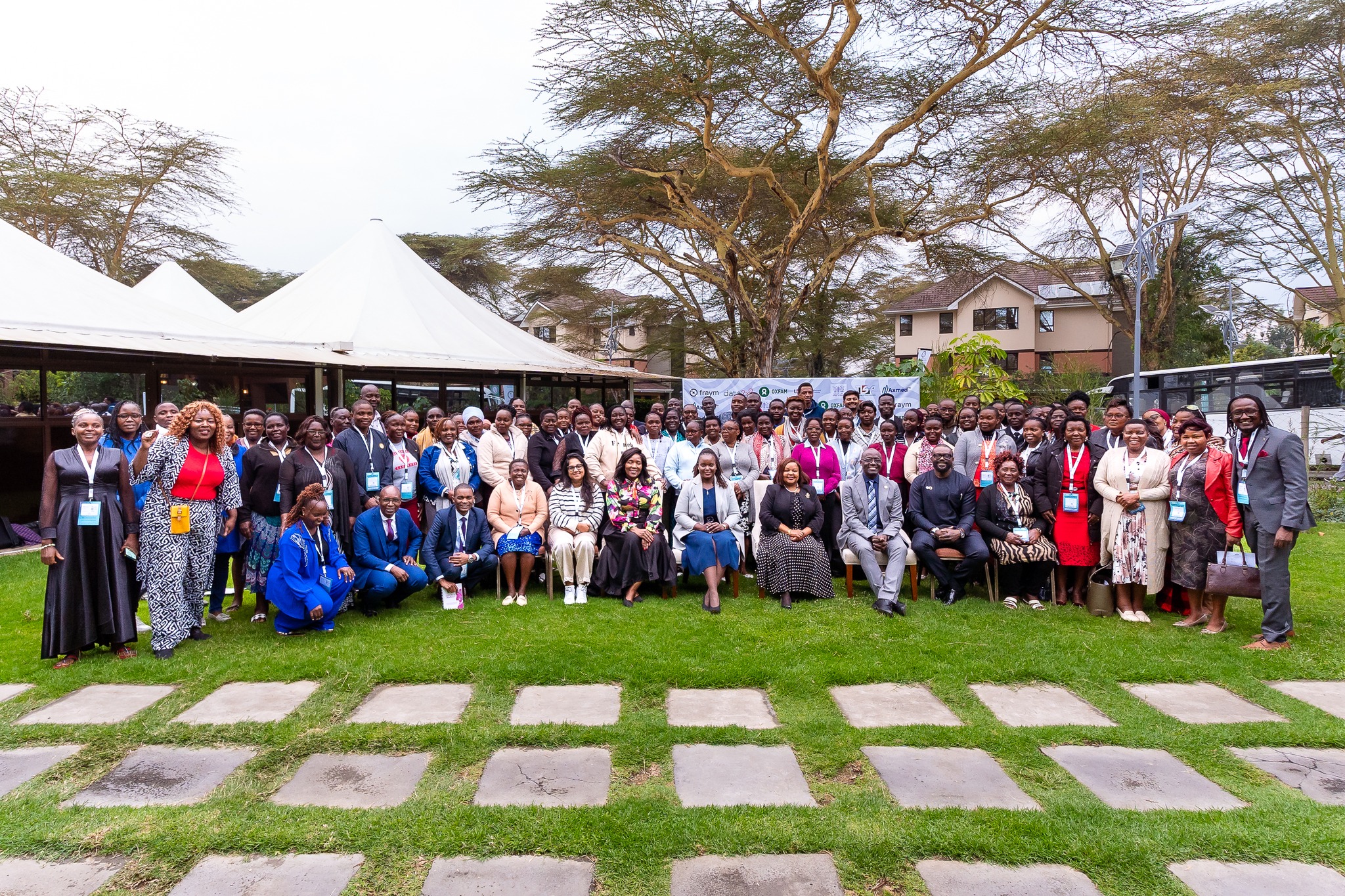
The Africa Women in Data Summit was launched in 2024 as Kenya’s first Women in Data Summit, an action-oriented convening created to strengthen how gender data is produced, financed, coordinated, and used in public decision-making. The inaugural summit was held on 10–11 September 2024 at Lake Naivasha Resort under the theme “Innovation, Financing and Status of Women in Gender Data,” and was jointly convened by the Executive Office of the President through the Office of the President’s Advisor on Women’s Rights, alongside partners that included the Kenya National Bureau of Statistics, the Office of the Data Commissioner, the Council of Governors, and civil society organizations. The 2024 communique reinforced a clear call to action, reduce fragmentation through coordination and standardisation of gender data production, and increase intentional financing so that gender statistics are routine, decision-ready, and responsive to emerging issues (including unpaid care work and technology-facilitated GBV).
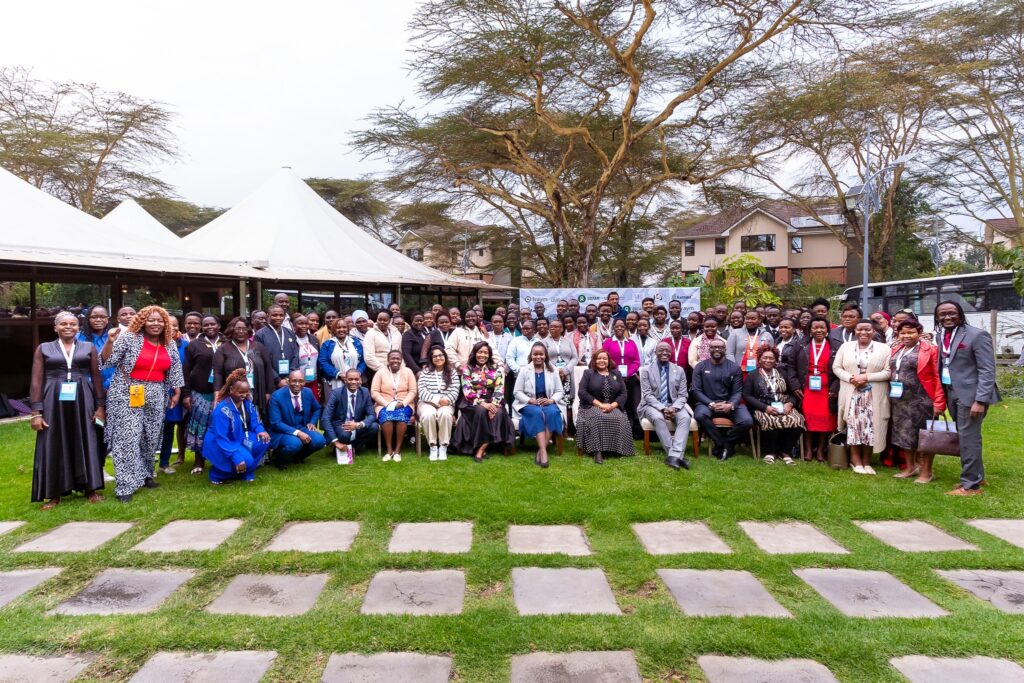
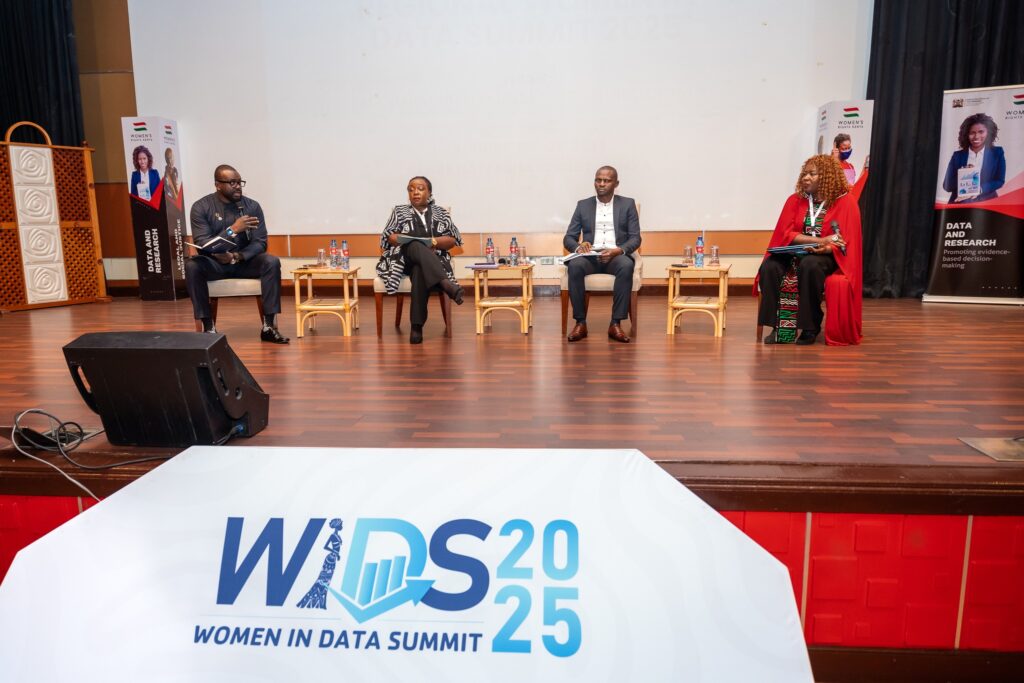
In 2025, the convening expanded into a regional platform, the Africa Women in Data Summit 2025, hosted in Naivasha from 19–21 August 2025 under the theme “Accelerating Resilience Through Better Data.” The programme positioned gender data as a practical resilience tool, bringing together stakeholders across policy, financing, and grassroots action, and highlighting thematic tracks such as health, gender-based violence, food systems, land, care work, education, and economic empowerment. External event documentation also framed the summit as a large multi-stakeholder gathering (200+ delegates, 50 speakers, 30 organizations) and linked it to national reform priorities such as Kenya’s Open Government Partnership Action Plan and the push for a County Statistics Act.
Key takeaways were that the gender data agenda is moving beyond “more disaggregation” to “data that gets used”, with stronger focus on common standards, interoperable systems, and clear pathways from evidence to action at county and national levels. Evidence Frontiers’ participation highlighted rising demand for hands-on support that turns commitments into delivery: improving data quality across administrative and programme systems, and applying responsible data practices that protect privacy and reduce harm when working on sensitive issues such as GBV and care work. The summit also made clear that lasting progress depends as much on financing and governance as it does on technical solutions.